
From there writer/director Matthew Bright goes full tilt with exploitation bravado, loading the screen with a cavalcade of ‘what-are-we-watching’ moments. From racist put-downs to investigating detectives, prison trash cameos (a superbly screwy Brittany Murphy as Rhonda, caught for huffing paint with “tar in her cooch”), the Best Prostitute Enticement in the WorldTM (“Sex-O”), closely followed by the worst (“I get claustrophobic sucking strange dick”), the film-maker went all out to raise a youthful finger to conventional cinema with aplomb. Small wonder US censors demanded over 90 cuts to a 102 minute movie; in mild contrast the UK’s BBFC only trimmed a fleeting shot of child pornography magazine covers.
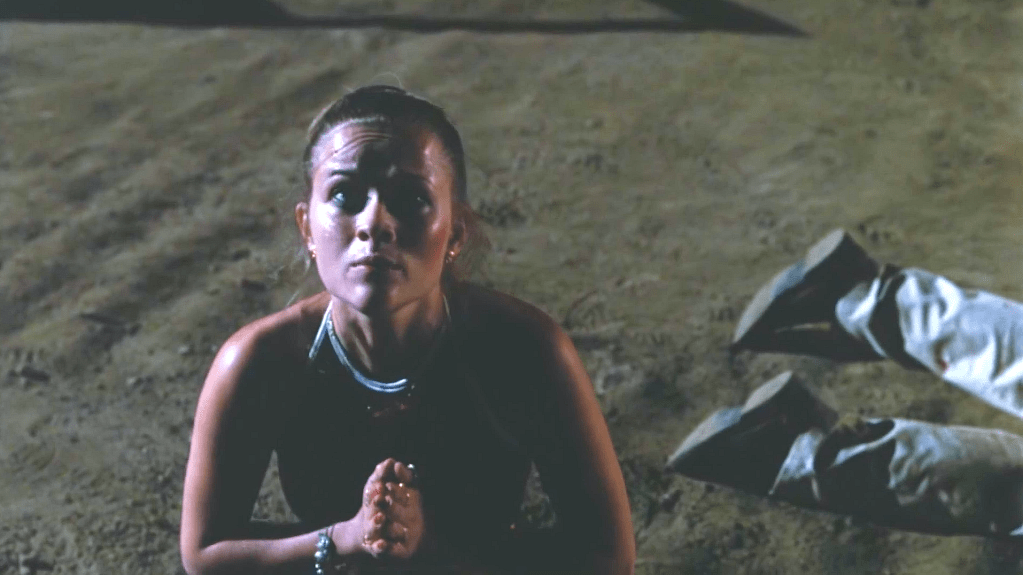
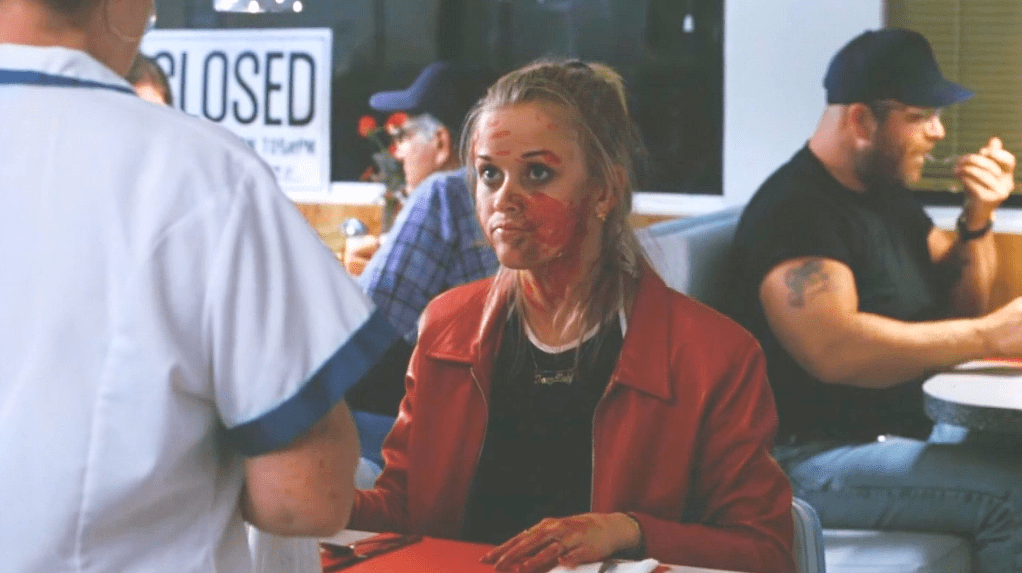
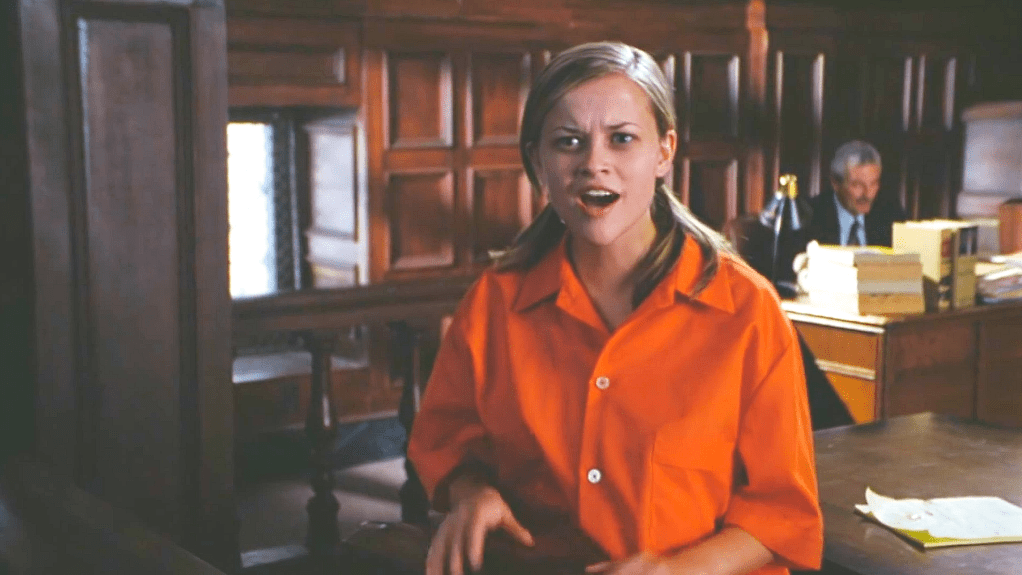
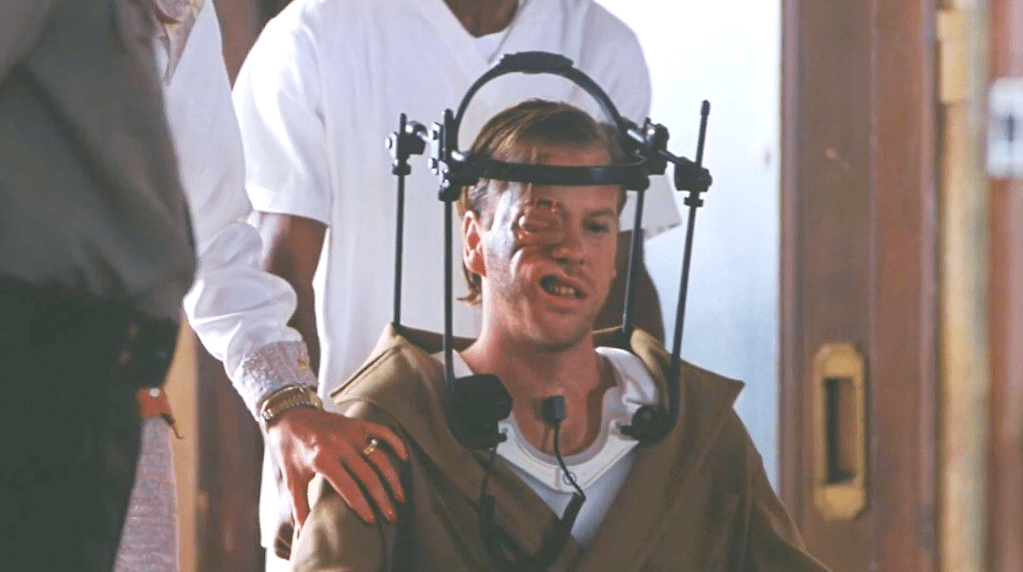
Bright assembled the movie’s dynamite cast with the helpful clout of star producer Oliver Stone, who secured Kiefer Sutherland for him. The Brat Packer initially balked at the script, shocked by the extreme profanity and wilful provocation, but also desperate to appear in a Stone movie. In an impromptu interview on the set of Nixon (1995), Stone mocked Keef’s cajones, cajoling him into the part.
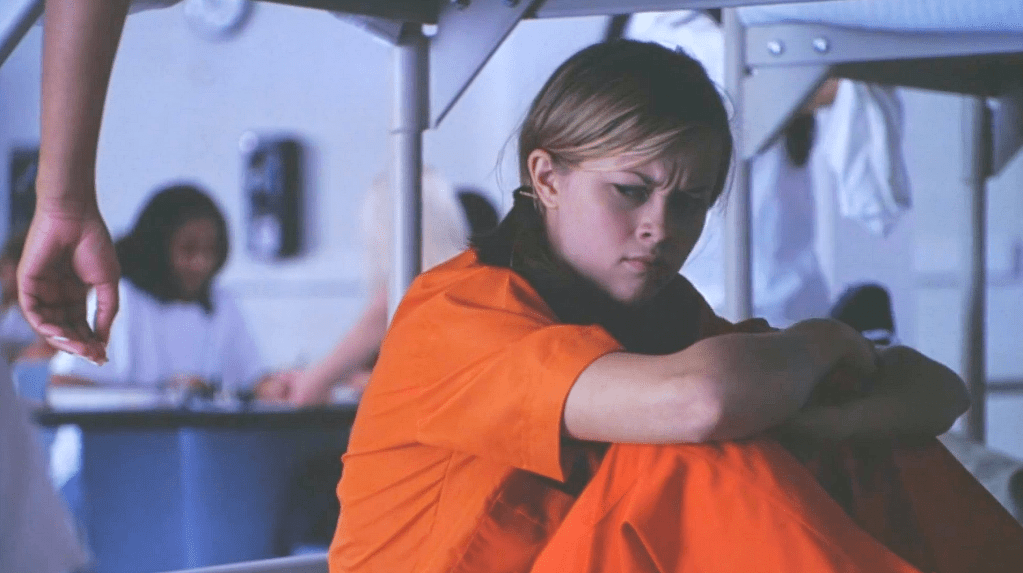
Despite Sutherland receiving star billing, the movie is Witherspoon’s. She is mesmerising as the wild firecracker, ever-changing expressions conveying Vanessa’s innermost thoughts and emotions, adding nuance to on-the-nose dialogue. The bravura breakout paved the way for her next iconic performance as on-the-surface polar opposite, but equally laser-focused, Tracy Flick in Election (1999), three years later.
Bright doubled down on growing cult status with a sequel of sorts: Freeway II: Confessions of a Trickbaby (1999) with Natasha Lyonne and Vincent Gallo, this time taking Hansel & Gretel as his fairy tale to sleazedate. While amusing, it also proved that lightning doesn’t strike twice.
When Tiptoes (1999), starring Matthew McConnaughy and Gary Oldman as his midget brother, was butchered by the studio from his 150 minute cut to a spartan 90 minutes, the director disowned it, labelling the released version a “rom-com with dwarves.” This was to be his final movie (for now), with the fall-out sending him on a new life in Mexico, where he still earns kudos from his classic debut.
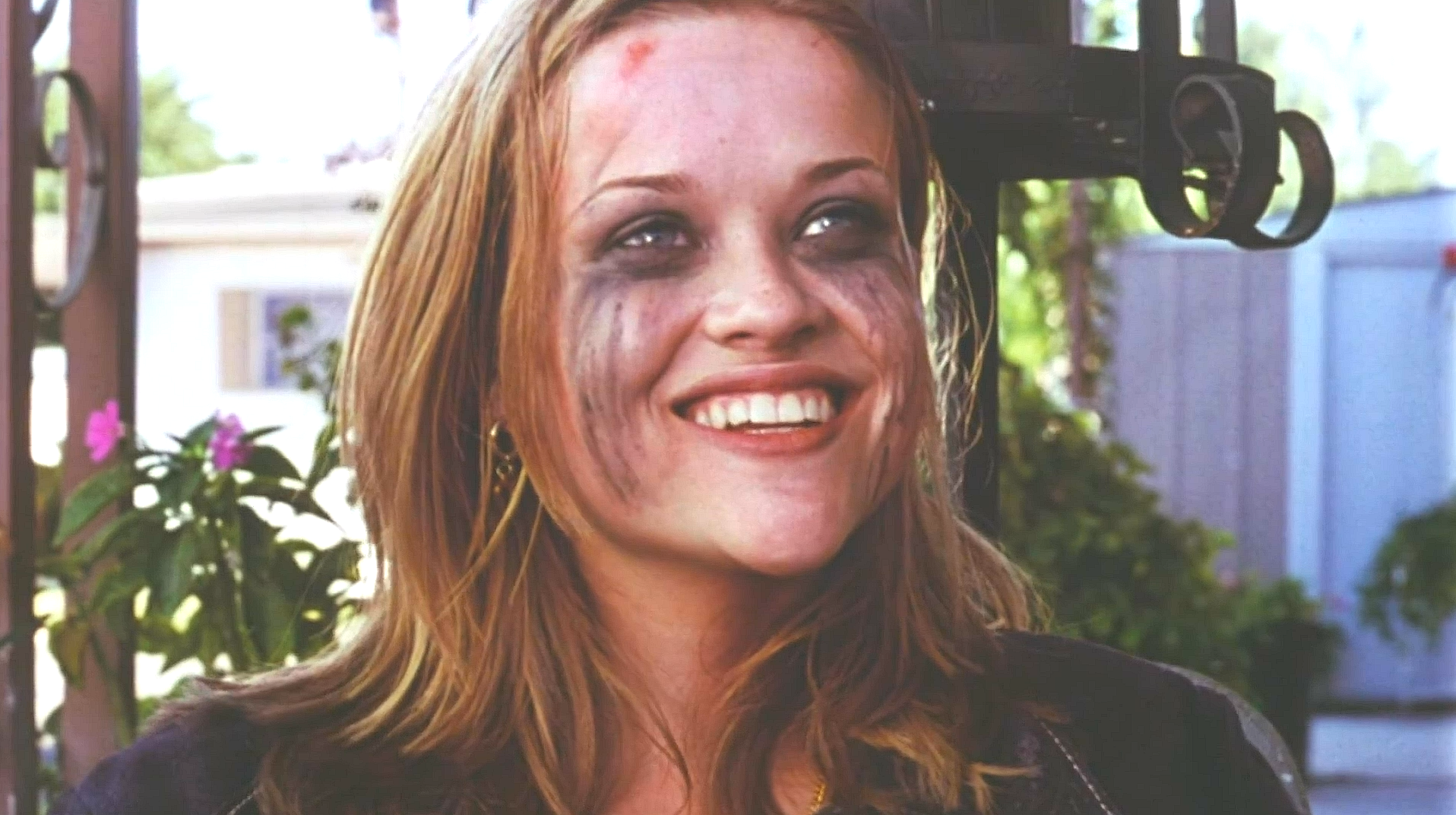
If Freeway remains his finest hour, it is not due to hilarous quotability and lo-fi stylisations, rather the genius of that initial tete a tete between Bob and Vanessa. Amongst the surrounding bad taste pyrotechnics it feels surprisingly real; two opposing forces stuck in a car together, immersed in lies and subtly reversing their roles in a deadly game of cat and mouse.
The most chilling aspect is that, in real life, Bob is right. As he tearfully argues while bargaining for his life, people like him “do not go to the gas chamber”; as one of the “garbage people” Vanessa’s version of events would be disbelieved – her mood is too violent, her background too lowdown, her every action serves to underline her criminality. The fairy tale happy ending provided via a locker of child porn is movie fantasyland as much as the mad as hellcat’s prison escape.
Vanessa has every right to hate a world that screwed her from birth; if she wasn’t born a “trick baby” (the photo she carries of her father is actually serial killer Richard Speck), then society and every interaction molded her into one. Yet she fights on, as she has fought before and will continue to do so long after an abrupt freeze frame ending. As lowdown dirty as Freeway purports to be, the indomitable spirit of Vanessa Lutz reveals a genuine heart at its core and a foul-mouthed kernel of hope for those stuck in the bottom rung gutters of the world.


 Hove Press